Professional Display Systems for Corporate Learning Environments | FVASEE
Unified Display Solutions Powering Corporate Training and Learning Spaces
Corporate learning has transformed dramatically in recent years. Traditional instructor-centric presentations and static projectors no longer meet the evolving needs of modern organizations. Instead, companies are adopting interactive, high-performance display technologies that support dynamic training, collaborative workshops, and hybrid learning scenarios across multiple teams and locations.
The right display solution doesn’t just show content — it amplifies engagement, improves retention, and streamlines facilitation. FVASEE’s display systems for corporate training environments are designed to meet these demands, blending advanced technology with intuitive usability to create effective learning spaces.
Digital Display Trends in Corporate Learning
The Shift Toward Interactive Learning
Research in workplace learning shows that interactive experiences enhance knowledge retention and learner engagement compared with passive content consumption. Touch-enabled screens and collaborative tools allow learners to participate actively — not just listen or watch.
Demand for Hybrid and Distributed Training
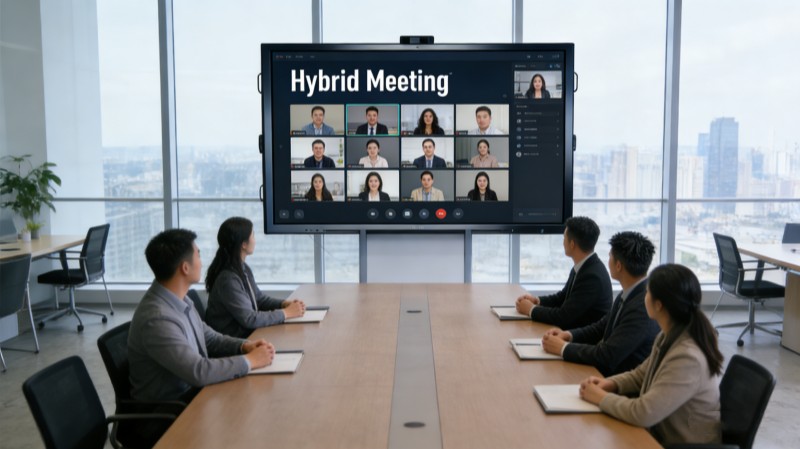
As remote work models grow, training increasingly spans both in-person and remote participants. Digital displays that integrate conferencing tools and wireless sharing create a seamless learning experience regardless of physical location.
Integration with Digital Learning Platforms
Modern corporate training often uses apps, cloud content libraries, and learning management systems (LMS). Display technologies that easily connect with these systems reduce friction and support standardized delivery across departments.
Why Advanced Displays Matter in Training Rooms
Professional training rooms have unique requirements: they must support varied content types, facilitate real-time interaction, and accommodate both local and remote contributors. Advanced display solutions enhance training environments in several ways:
High-Definition Clarity for Complex Content
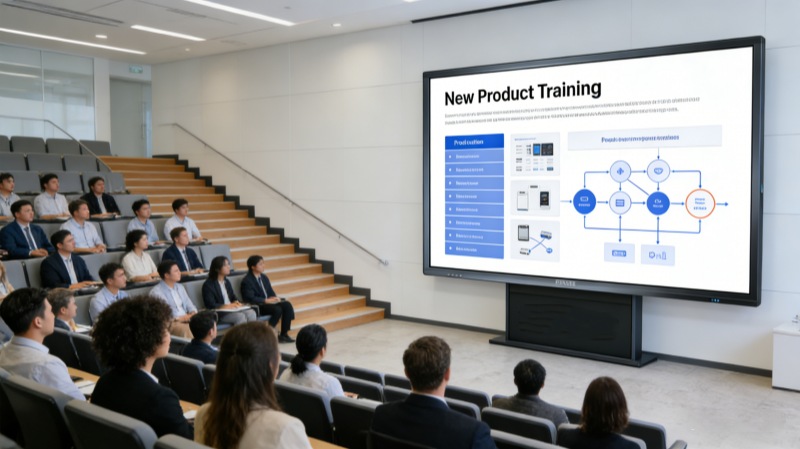
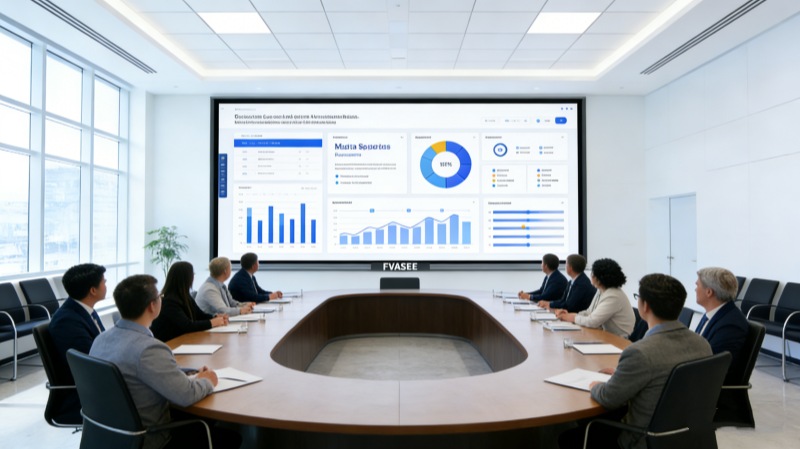
Training often involves detailed visuals such as process maps, data charts, and technical diagrams. High-resolution screens ensure visuals are clear and legible from all seating positions, which is essential for effective comprehension.
Touch and Annotation for Interactive Learning
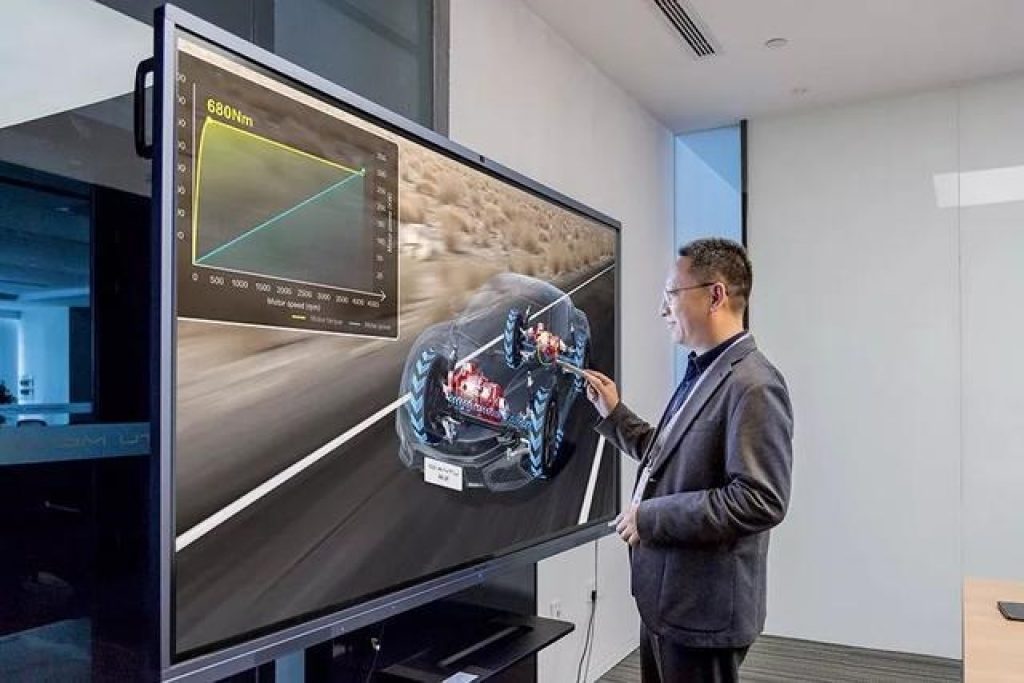
Interactive displays allow learners and trainers to annotate, highlight, and manipulate on-screen content during sessions. This interactive participation strengthens understanding and stimulates discussion — a key factor in adult learning theory.
Seamless Connectivity and BYOD Support
Wireless content sharing from laptops, tablets, and phones eliminates time-consuming cable setups and encourages greater participation. Trainers can switch content sources smoothly, creating a more fluid training experience.
Integrated Conferencing for Hybrid Sessions
With embedded videoconferencing support and compatibility with major platforms, these display solutions bring remote learners into the session visually and audibly, breaking down barriers between in-office and distributed teams.

Core Application Scenarios
Instructor-Led Workshops
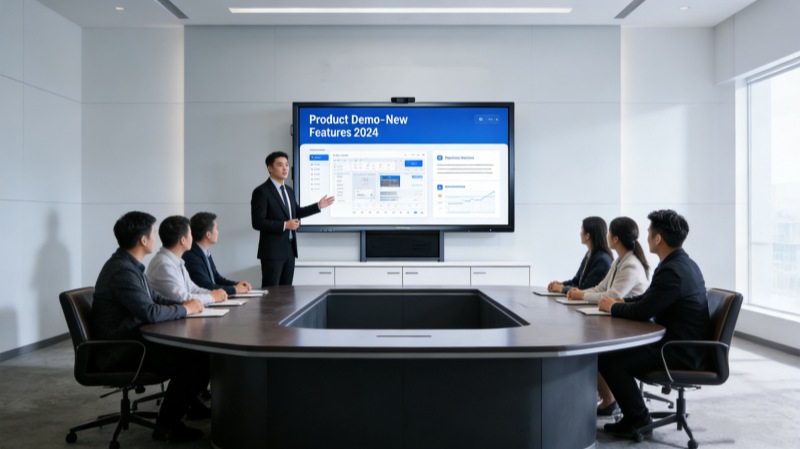
Large format displays serve as central hubs for structured presentations, step-by-step walkthroughs, and multimedia training modules.
Small Group Collaboration
In breakout sessions, participants can interact directly with the display, fostering peer-to-peer learning, co-creation, and group problem solving.
Compliance and Certification Training
High engagement and real-time interaction make it easier to deliver mandatory training content, administer assessments, and review results in a compliant, traceable way.
Blended and Hybrid Sessions
Whether participants are in the room or on the other side of the globe, high-performance displays ensure consistent delivery of content and enable all attendees to contribute actively.
Organizational Benefits
1. Enhanced Learning Outcomes
Interactive displays support visual, auditory, and kinesthetic learning styles — increasing content retention and learner satisfaction.
2. Greater Operational Efficiency
By reducing setup complexity and technology interruptions, teams focus more on learning goals rather than technical troubleshooting.
3. Future-Proof Training Infrastructure
Investing in scalable, integrated display systems aligns with long-term workplace transformation strategies, especially as remote and hybrid work becomes the norm.
4. Improved Trainer Confidence
Trainers can deliver content with clarity and control, while intuitive interfaces minimize the learning curve associated with technology adoption.
What Makes FVASEE’s Solution Stand Out
Commercial-Grade Panels Designed for Training
Durable and bright displays ensure readability in diverse lighting conditions, from small huddle rooms to large training theaters.
Centralized Management
Administrators can control, schedule, and update content across multiple rooms or locations from a single management platform, reducing overhead and ensuring consistency.
Multi-Platform Integration
Seamless work with major conferencing, collaboration, and content systems makes FVASEE displays adaptable to existing corporate ecosystems.
Scalability and Flexibility
From dedicated training centers to ad-hoc collaboration spaces, FVASEE solutions scale to meet varied organizational needs while maintaining performance stability.
Building Future-Ready Learning Spaces
Modern corporate training is no longer a one-way broadcast of information — it’s an interactive, collaborative experience. Display technologies that support participation, clarity, and connectivity help organizations:
* foster meaningful engagement among learners,
* bridge gaps between remote and in-person participants,
* and empower facilitators with reliable tools that enhance session quality.
By integrating advanced display systems into training environments, companies create spaces where learning is not just observed — it’s experienced, explored, and retained.