Digital Signage for Patient Communication in Healthcare | FVASEE
Improving Patient Communication in Healthcare with FVASEE Digital Signage
In healthcare environments, keeping patients and visitors well-informed is a continual challenge. Hospitals and clinics must deliver a wide range of information — from appointment updates and procedural instructions to safety guidelines and wellness tips — in a way that is clear, timely, and accessible.
Traditional static notices and print materials often fall short: they can become outdated, clutter physical spaces, and require frequent manual updates. In contrast, digital signage offers a dynamic and centralized way to communicate essential information across patient-facing areas. FVASEE digital signage solutions are built to support these needs with flexibility, visibility, and ease of use.
Why Patient Communication Matters in Healthcare Settings
Effective communication enhances the patient experience by reducing uncertainty, improving understanding, and supporting smoother interactions with clinical staff. Patients who receive clear, consistent information are more likely to feel confident and engaged throughout their care journey.
Key communication needs in hospitals include:
* sharing wait times and appointment information
* displaying clinical service details and department locations
* presenting health education and safety guidance
* announcing facility updates and operational notices
Delivering these messages visually and in real time helps reduce confusion and frees staff to focus more on direct patient care.
What Digital Signage Brings to Patient Communication
Unlike static signs or printed notices, digital signage enables healthcare teams to:
update messages instantly from a central platform
display content suited to specific areas (waiting rooms, lobbies, hallways)
present multimedia messages (text, images, video)
schedule communication ahead of time
FVASEE digital signage supports these capabilities with commercial-grade displays and a content management framework that adapts to evolving communication needs.
Key Patient-Facing Communication Scenarios
1. Waiting Areas and Reception Hubs
Waiting zones are often the first space where patients encounter information. Instead of generic posters or appointment slips, digital signage can provide:
* real-time appointment status and queue details
* general hospital announcements
* welcome messages and directions
* educational content on health topics
This reduces perceived waiting stress and helps patients understand what to expect next.
2. Department and Service Information
As patients move through different parts of a facility — from reception to diagnostics and treatment areas — access to clear service details matters. FVASEE displays can show:
* department names and functions
* operating hours and specialist schedules
* links to related services (e.g., radiology, pharmacy)
Presenting this information visually at decision points helps patients and families navigate without repeated staff intervention.
3. Clinical Updates and Care Instructions
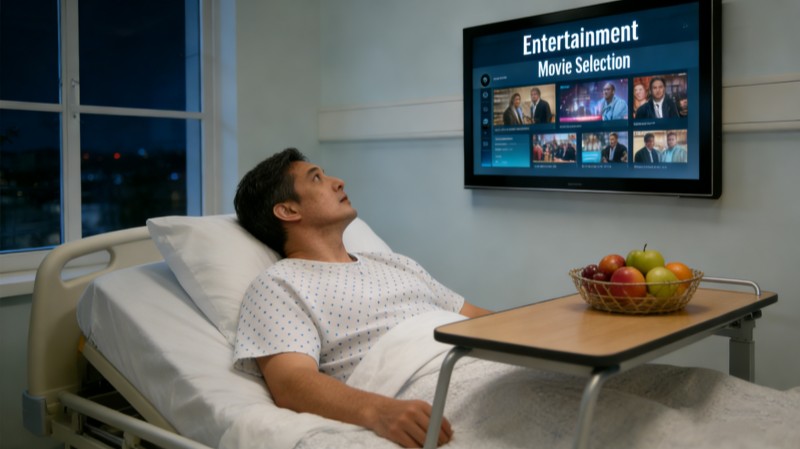
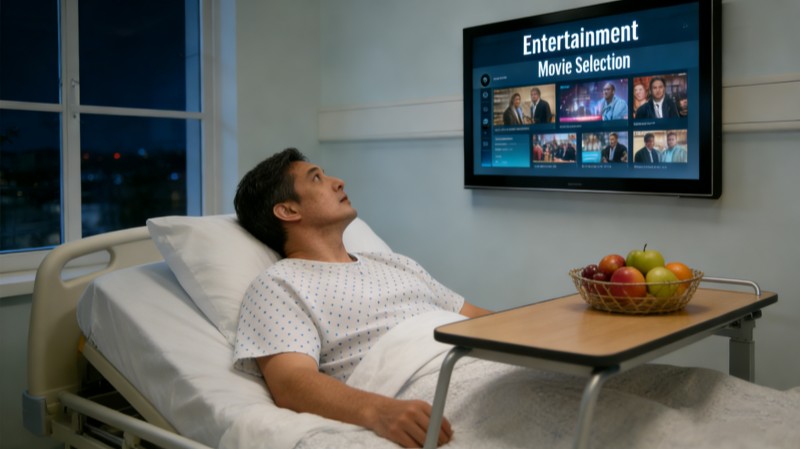
Inpatient areas and treatment zones benefit from displays that communicate care-related instructions, such as:
* medication reminders and timing
* pre-procedure guidelines
* postoperative care tips
* discharge planning information
These messages reinforce what clinical staff communicate verbally and help patients follow care plans more reliably.
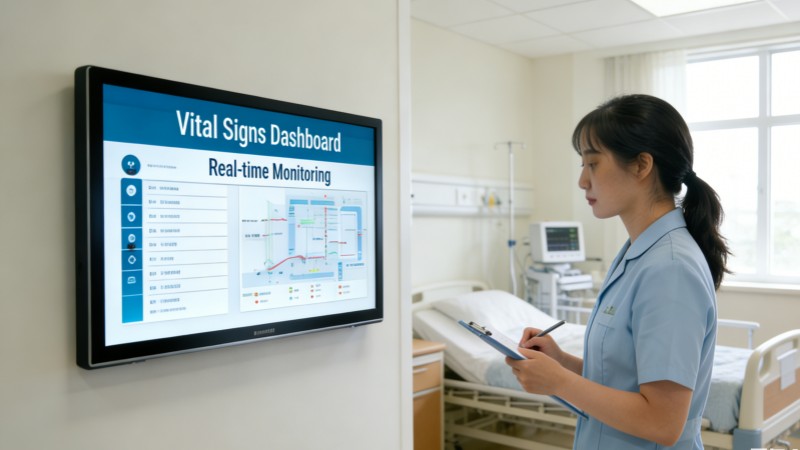
Reducing Staff Workload Through Automated Messaging
One practical benefit of digital signage is that it reduces the number of routine inquiries staff must answer. When patients see current and relevant information presented clearly, there is less need for repeated explanations, printed notices, or manual updates.
Hospital teams can focus on clinical priority work rather than updating bulletin boards or hand-delivered papers.
Centralized Management for Consistent Content Delivery
FVASEE digital signage solutions include tools for managing content across multiple displays from a single console. Administrators can:
* publish updates across screens instantly
* tailor messages to specific locations
* schedule content for different times of day
* ensure brand consistency and message accuracy
This centralized approach supports consistent communication across the facility without requiring staff to update each display individually.
Designing Signage to Fit Healthcare Environments
Displays used in healthcare settings must be:
* highly visible, even in bright ambient lighting
* easy to read from a distance
* durable and dependable, with minimal downtime
* simple to operate, even for non-technical staff
FVASEE’s commercial displays are designed with these requirements in mind, making them suitable for hospitals, outpatient clinics, and medical campuses of all sizes.
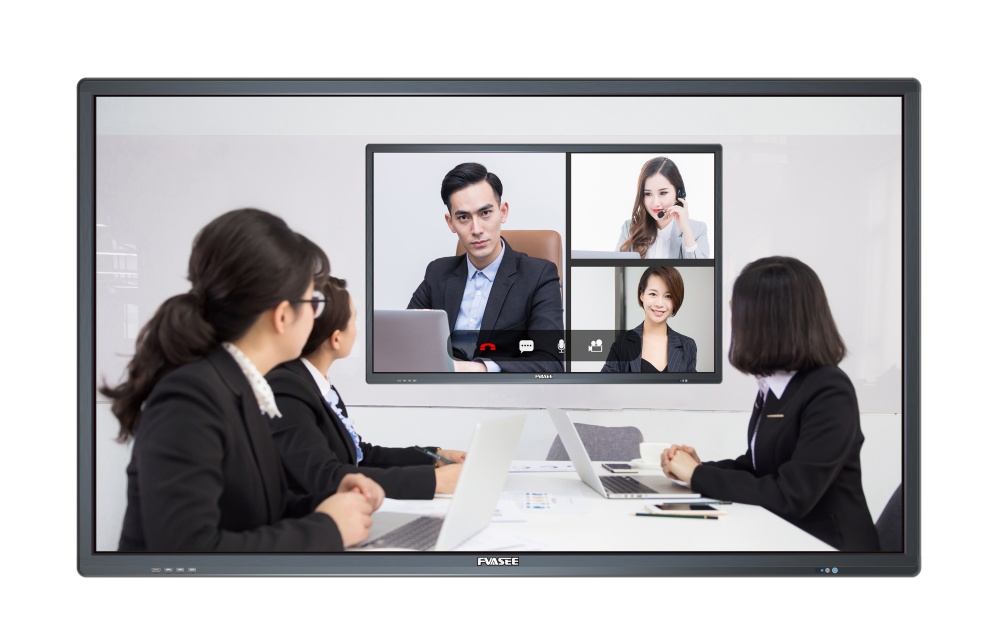
Enhancing Patient Engagement with Digital Displays
Patient communication is a critical component of modern healthcare delivery. By deploying FVASEE digital signage solutions, hospitals and clinics can improve how information is conveyed, reduce confusion, and support positive patient experiences.
With real-time updates, flexible content control, and displays designed for demanding environments, digital signage becomes a key communication tool — helping healthcare teams convey the right message, to the right audience, at the right time.