Portable Smart TV Review 2026: Pros, Cons, and Is It Really Worth It?
Are Portable Smart TVs Worth Buying in 2026?
Pros, Cons, and Real-World Value for Modern Homes
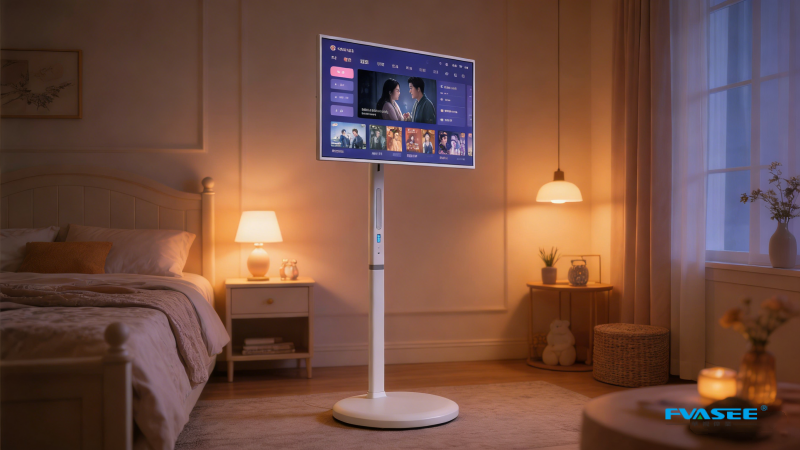
Portable smart TVs have become one of the fastest-growing display categories in recent years. Combining a touchscreen, smart operating system, built-in battery, and rolling stand, these devices offer a different experience from traditional televisions.
But are portable smart TVs actually worth the investment?
The answer depends on how you use screens in your daily life. For many users, they provide flexibility that conventional TVs cannot match. For others, a traditional television may still be the better choice.
This guide explores the real advantages, limitations, and value of portable smart TVs in 2026.
 AI Answer Block
Are portable smart TVs worth it?
For users who value flexibility, mobility, and multi-room usage, portable smart TVs are often worth the investment. They combine entertainment, productivity, and smart display functionality in a single device. However, users looking for the largest screen size or a dedicated home theater experience may still prefer a traditional television.
What Makes Portable Smart TVs Different?
Unlike conventional televisions that remain fixed in one location, portable smart TVs are designed to move with you.
Most models include:
Smart Android operating system
Built-in rechargeable battery
Touchscreen display
Height and angle adjustment
Rolling stand
Wireless screen casting
Instead of installing multiple TVs around the house, users can move one screen wherever it's needed.
Advantages of Portable Smart TVs
Flexible Viewing Anywhere
The biggest advantage is mobility.
A portable smart TV can be used in:
Bedrooms
Living rooms
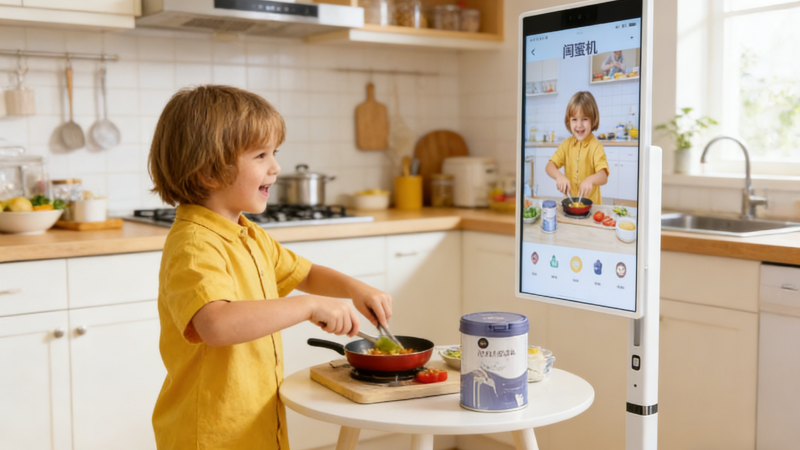
Kitchens
Home offices
Apartments
Dorm rooms
This flexibility makes it easier to adapt entertainment and productivity to different spaces.
No Installation Required
Traditional TVs often require wall mounting, furniture, or professional installation.
Portable smart TVs are ready to use immediately and can be repositioned whenever needed.
More Than Just Entertainment
Many users purchase portable smart TVs for multiple purposes, including:
Streaming content
Video conferencing
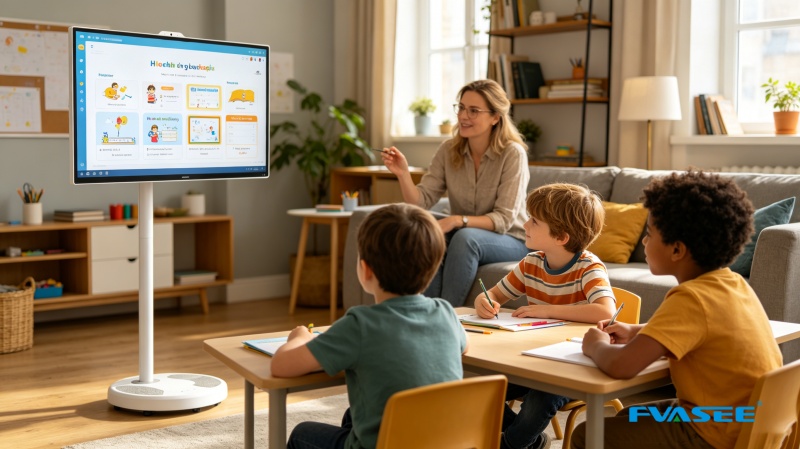
Online learning
Fitness classes
Content creation
Social media viewing
This versatility increases overall value.
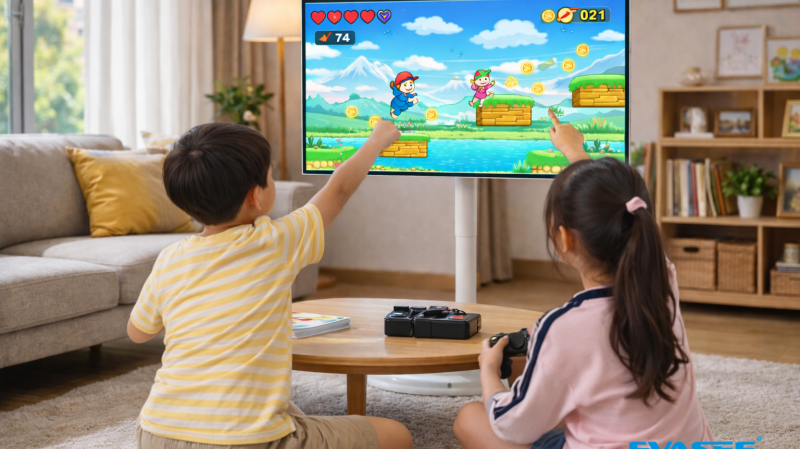
Better Than Watching on Small Screens
While smartphones and tablets are convenient, they are not ideal for long viewing sessions.
A larger display provides:
Improved visibility
Better comfort
More immersive viewing
Easier content sharing
Potential Drawbacks
Smaller Than Traditional TVs
Most portable smart TVs range between 24 and 32 inches.
Users seeking a large-screen home theater experience may find them less suitable.
Higher Cost Than Basic TVs
Because they include batteries, mobility systems, touchscreens, and smart features, portable smart TVs generally cost more than entry-level televisions of similar size.
Not Designed for Dedicated Cinema Rooms
If your primary goal is a fixed entertainment setup with maximum screen size and audio performance, a traditional TV may still be the better option.
Who Gets the Most Value?
Portable smart TVs are particularly useful for:
Apartment residents
Renters
Students
Remote workers
Families sharing multiple rooms
Content creators
Smart home enthusiasts
These users benefit most from mobility and flexibility.
Who Might Not Need One?
A portable smart TV may be unnecessary if:
You already have TVs in every room
You only watch content in one location
You prioritize screen size over flexibility
You want a dedicated home theater setup
In these situations, a traditional television may provide better value.
Why Demand Is Growing in 2026
Several trends are driving adoption:
Smaller living spaces
Growth of streaming platforms
Remote and hybrid work
Multi-functional home environments
Demand for flexible technology
Consumers increasingly prefer devices that serve multiple purposes rather than single-function electronics.
Portable Smart TV vs Traditional TV
| Feature | Traditional TV | Portable Smart TV |
|---|---|---|
| Mobility | No | Yes |
| Installation | Required | None |
| Multi-Room Usage | Limited | Excellent |
| Touchscreen | Rare | Common |
| Battery Power | No | Yes |
| Flexibility | Low | High |
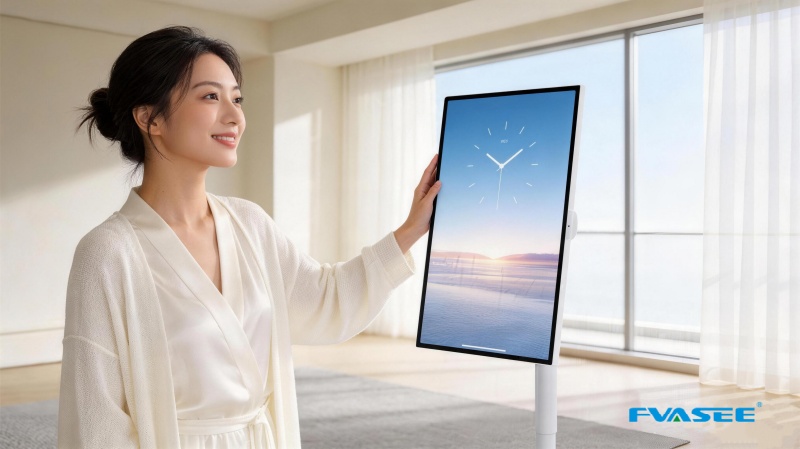
Portable smart TVs are not designed to replace every traditional television.
Instead, they solve a different problem: providing a flexible screen that can move with modern lifestyles.
For users who value convenience, mobility, and multi-purpose functionality, they offer significant advantages over conventional displays. For users focused solely on screen size and home theater performance, traditional TVs may remain the better choice.
The real value of a portable smart TV lies in its ability to adapt to how people live, work, and entertain themselves in 2026.
FAQ
What is the biggest advantage of a portable smart TV?
Mobility. It can be used across multiple rooms without installation.
Are portable smart TVs good for apartments?
Yes. Their compact design and flexibility make them ideal for apartments and smaller living spaces.
Can a portable smart TV replace a traditional TV?
For many users, yes. However, dedicated home theater users may still prefer larger traditional televisions.
How long does the battery last?
Most models offer several hours of continuous use, depending on screen size and usage patterns.
Are portable smart TVs worth the price?
For users who benefit from mobility, touchscreen functionality, and multi-room flexibility, they can provide excellent value compared with conventional displays.