Interactive Display Systems for Modern K‑12 Classrooms | FVASEE
Modern Interactive Displays Enhancing K‑12 Learning Experiences
In an era where technology is reshaping education, interactive display systems have become essential tools for modern classrooms. Traditional static boards and projector systems are no longer sufficient to support the dynamic needs of today’s learners and teachers. Educators are increasingly integrating digital displays that transform how lessons are presented, how students engage with content, and how classroom collaboration occurs.
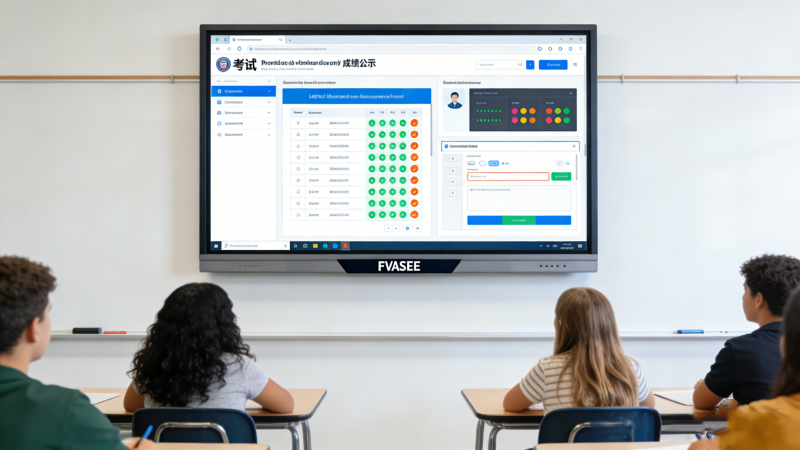
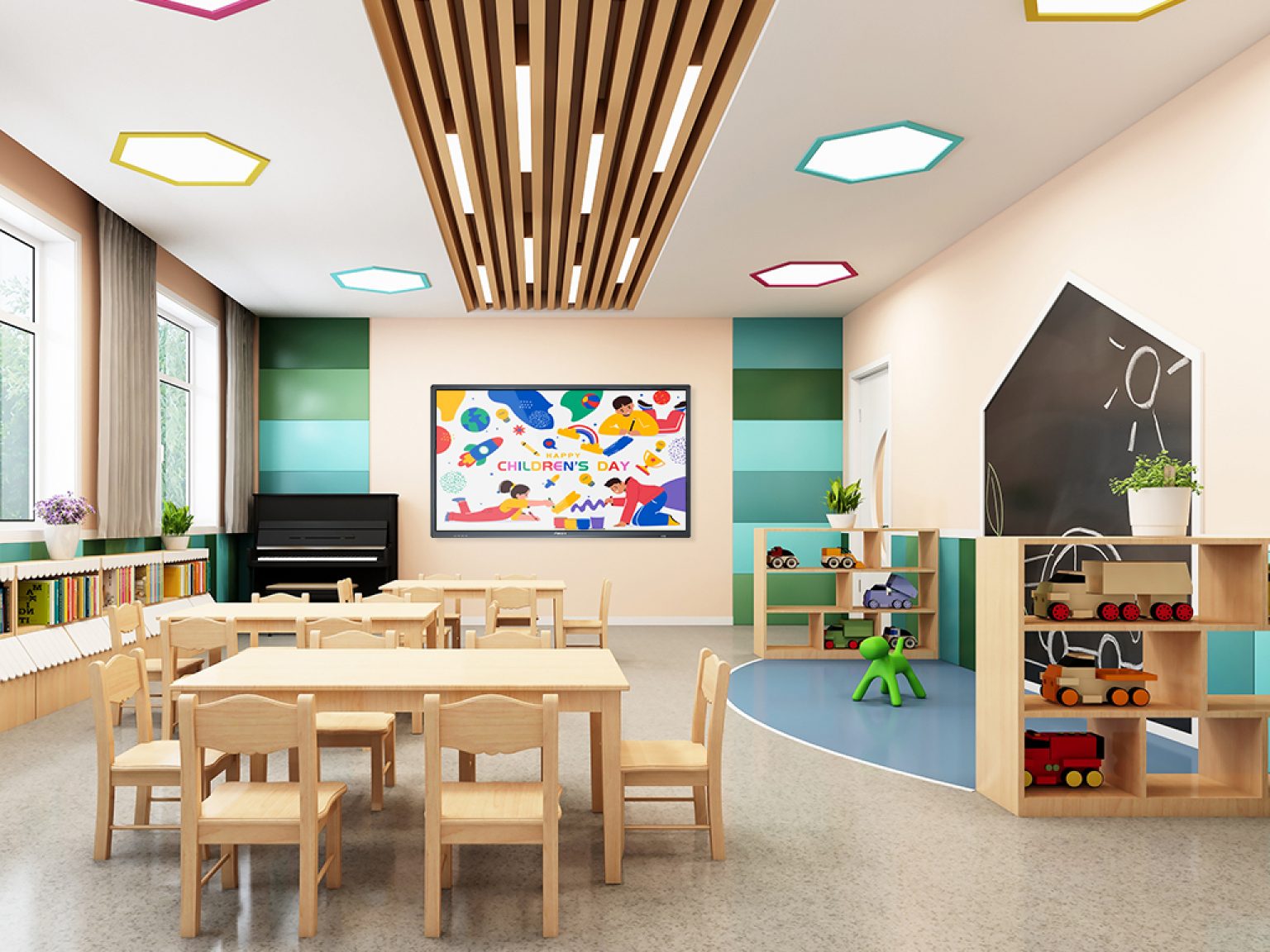
FVASEE’s smart classroom display solutions empower teachers to deliver multimedia lessons, facilitate interactive learning activities, and foster student participation. These displays serve as central visual hubs that support a range of instructional strategies — from direct teaching and group work to blended and hybrid models of learning.
Why Interactive Displays Matter in K‑12 Education
Interactive displays are more than just screens; they are essential instructional environments that support engagement, understanding, and collaboration. Key benefits include:
Visual Engagement for Diverse Learners
High‑resolution displays make it easier for students to see content clearly, whether it’s text, images, or multimedia, helping accommodate different learning styles.
Touch and Gesture Interactivity
Touch‑enabled screens allow students and teachers to interact directly with content — highlighting important concepts, manipulating digital objects, or completing exercises on screen.
Seamless Integration with Digital Curriculum
Smart displays support a wide range of educational software and content platforms, enabling teachers to access online resources, interactive simulations, and digital textbooks with ease.
Support for Collaborative Activities
Group projects and peer learning are enhanced when students can interact with the display to share ideas, co‑create content, and engage in problem‑solving tasks together.
These advantages help classrooms transition from passive lecture formats toward active and participatory learning environments.
Classroom Application Scenarios
Teacher‑Led Instruction
Interactive displays serve as the central presentation platform for daily lessons, allowing educators to annotate lessons, switch between content sources, and respond to student questions visually.
Small Group Collaboration
Students can work together directly on screen activities — solving math problems, exploring languages, or sharing research findings — fostering teamwork and communication skills.
Blended and Hybrid Learning
In classrooms where remote students join lessons, interactive displays assist in combining in‑room and online participation seamlessly, ensuring inclusive learning experiences.
Assessment and Feedback
Real‑time annotation and response tools on smart displays help teachers conduct formative assessments and provide immediate visual feedback that supports student learning.
Positive Outcomes for Teaching and Learning
Enhanced Student Engagement
Interactive tools help sustain attention, stimulate curiosity, and encourage participation — key factors in student achievement.
Improved Knowledge Retention
Visual and interactive content aids memory retention by engaging multiple senses and reinforcing understanding through active involvement.
Greater Flexibility for Educators
Teachers can adapt lessons on the spot, integrate multimedia elements, and switch between instructional modes with minimal technical effort.
Support for Diverse Learning Needs
Smart displays help address varied learning preferences and abilities by providing adaptable visual, tactile, and auditory instructional options.
By integrating these technologies, schools create learning spaces that reflect contemporary educational goals — preparing students for a world where digital fluency is essential.
Why FVASEE’s Classroom Displays Are Effective
FVASEE’s solutions are tailored to support educational environments:
High‑Definition Visual Performance: Crisp displays make content clear and accessible from all classroom vantage points.
Responsive Touch Capabilities: Teachers and students can interact smoothly with digital materials.
Wide Compatibility With Educational Software: Supports popular learning applications, digital textbooks, and interactive tools.
Robust, Classroom‑Ready Design: Durable hardware built for everyday use in learning environments.
These features allow educators to focus on instruction and student engagement rather than technical obstacles.
Interactive display technology is revolutionizing how K‑12 classrooms operate. By offering intuitive engagement, seamless content integration, and collaborative tools, modern displays support student achievement, teacher effectiveness, and inclusive learning. Schools that adopt these solutions create an environment where education is interactive, engaging, and adaptable to 21st‑century learning needs. FVASEE’s smart classroom displays help make this vision a reality, equipping educators with the tools they need to enrich learning experiences and inspire academic growth.