Interactive Displays for Medical Training and Collaboration | FVASEE
Interactive Displays for Medical Training in Modern Healthcare Environments
Medical training has evolved beyond traditional lectures and printed materials. Today’s hospitals, medical schools, and training centers require tools that support collaboration, visual clarity, and real-time interaction. As clinical knowledge grows more complex and training formats become more diverse, interactive display technology is playing an increasingly important role in how healthcare professionals learn and collaborate.
FVASEE interactive displays for medical training are designed to support these modern learning environments, helping healthcare organizations deliver more engaging, effective, and collaborative education experiences.
Why Medical Training Requires Interactive Learning Tools
Healthcare professionals operate in high-pressure environments where accuracy, teamwork, and continuous learning are critical. Traditional one-way teaching methods often limit engagement and make it difficult to adapt training sessions to different learning needs.
Medical training today must support:
* Visual explanation of complex clinical concepts
* Collaborative discussion and decision-making
* Real-time feedback during instruction
* Flexible formats for in-person and hybrid learning
Interactive displays address these needs by turning training sessions into active learning experiences rather than passive presentations.
What Interactive Displays Bring to Medical Education
Interactive flat panel displays combine large, high-resolution screens with touch functionality, enabling instructors and trainees to interact directly with content.
In medical training settings, FVASEE interactive displays are used to:
* Annotate medical images, charts, and diagrams
* Review case studies collaboratively
* Highlight procedural steps during instruction
* Capture notes and discussion outcomes in real time
This interactive approach helps participants stay engaged and supports clearer understanding of complex material.
Enhancing Collaboration During Clinical Training
Medical education often involves multidisciplinary teams, including physicians, nurses, technicians, and support staff. Interactive displays make it easier for these groups to collaborate during training sessions.
With FVASEE interactive displays, training teams can:
* Share content wirelessly from multiple devices
* Switch seamlessly between presenters
* Annotate shared materials during group discussions
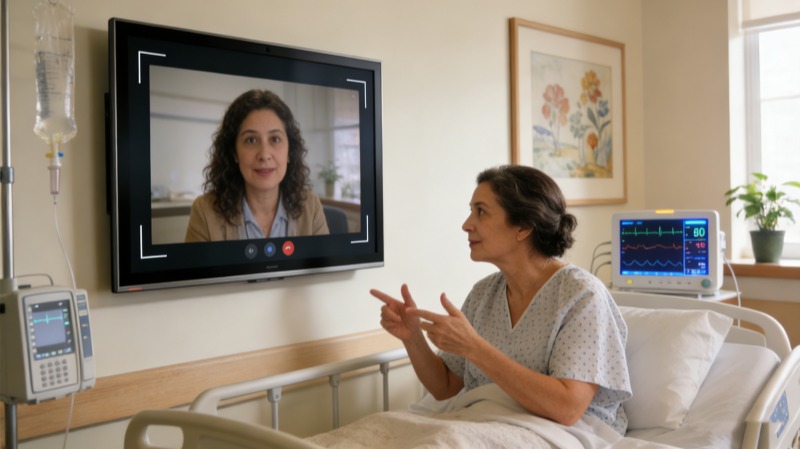
* Involve remote participants in hybrid sessions
These features support teamwork and knowledge sharing across departments and locations.
Supporting Simulation-Based Medical Training
Simulation plays a vital role in preparing healthcare professionals for real-world scenarios. Interactive displays enhance simulation environments by providing a shared visual reference point for instructors and trainees.
Common simulation use cases include:
* Displaying procedural checklists and protocols
* Reviewing recorded simulation sessions
* Discussing outcomes and improvement areas
* Guiding debrief sessions after exercises
Interactive displays help structure simulations and transform them into effective learning opportunities.
Flexible Use Across Medical Training Spaces
Medical training takes place in a variety of environments, from classrooms and conference rooms to skills labs and hospital training centers. FVASEE interactive displays are designed to adapt to these different spaces.
They are commonly deployed in:
* Hospital training rooms
* Medical school classrooms
* Conference and meeting areas
* Continuing education centers
This flexibility allows healthcare organizations to standardize training tools while supporting diverse instructional formats.
Improving Knowledge Retention and Engagement
Active participation is key to effective learning. Interactive displays encourage trainees to engage directly with content rather than passively observe presentations.
By allowing participants to write, annotate, and interact with materials, interactive displays help:
* Reinforce key learning points
* Improve comprehension of complex topics
* Support group problem-solving
* Increase overall knowledge retention
This approach aligns well with modern medical education strategies focused on experiential learning.
Designed for Professional Healthcare Environments
Displays used in medical training must be reliable, intuitive, and suitable for frequent use. FVASEE interactive displays are built with healthcare environments in mind, offering:
* Commercial-grade performance for daily use
* High-resolution visuals for detailed medical content
* User-friendly interfaces for instructors and staff
* Compatibility with common training and presentation tools
These features ensure that training sessions run smoothly without unnecessary technical distractions.
Integrating Training Displays into a Broader Healthcare Display Strategy
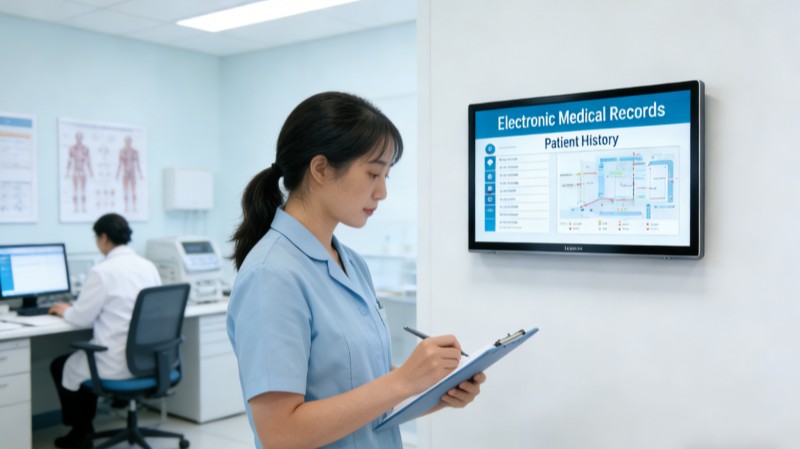
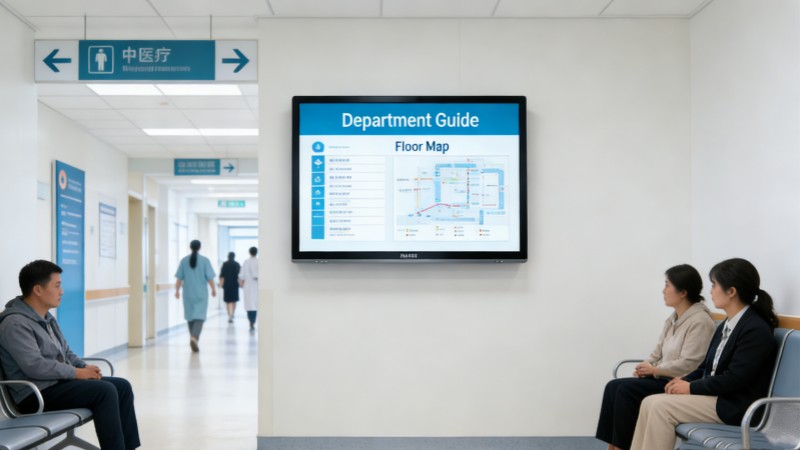
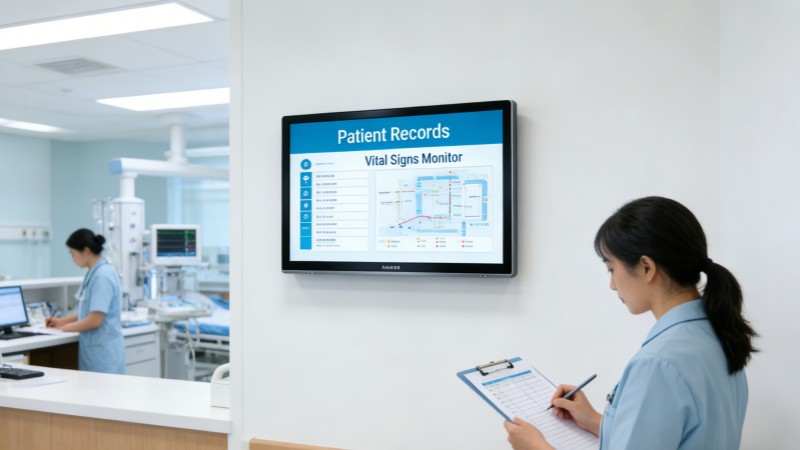
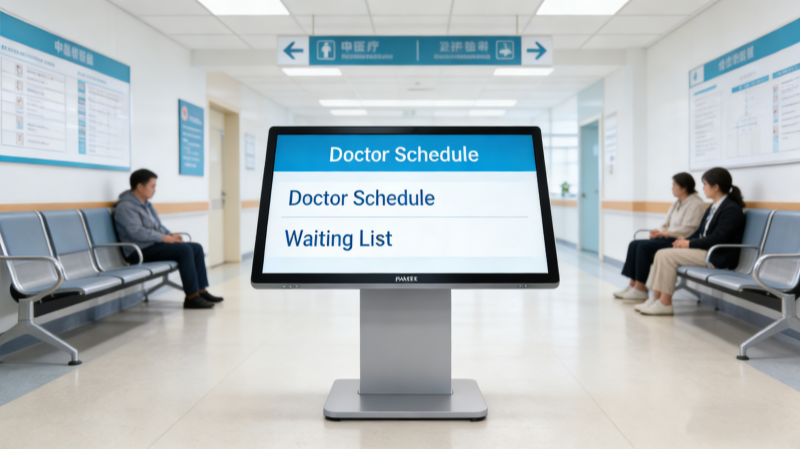
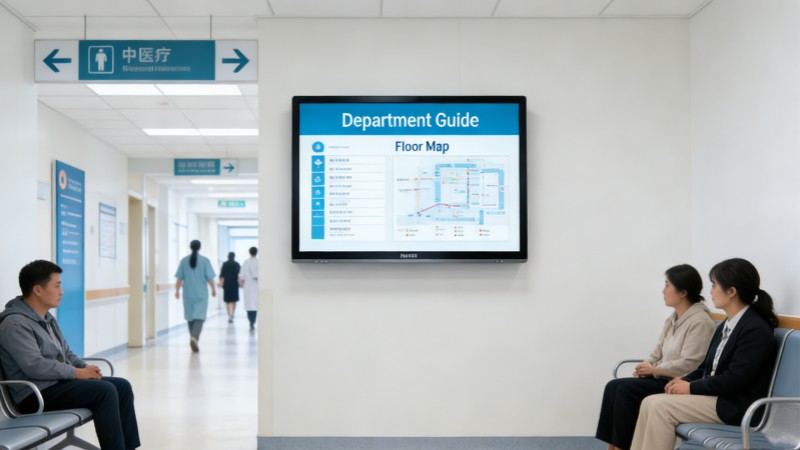
Interactive displays are most effective when integrated with other communication and display technologies within a healthcare facility. FVASEE interactive displays complement digital signage, wayfinding systems, and internal communication displays to create a connected information ecosystem.
This integrated approach supports consistent messaging, efficient knowledge sharing, and improved coordination across the organization.
Advancing Medical Education with Interactive Displays
As healthcare continues to evolve, so do the demands placed on medical education and professional training. Interactive displays provide healthcare organizations with a powerful tool to enhance learning, collaboration, and engagement.
FVASEE interactive display solutions help medical institutions create training environments that support modern teaching methods, encourage collaboration, and prepare healthcare professionals for the challenges of today’s clinical settings.