Portable Smart TVs for Kids’ Rooms: Safe, Educational & Fun Guide
Portable Smart TVs for Kids’ Rooms
Safe, Fun, and Educational Screen Solutions for Modern Families
Are portable smart TVs suitable for kids’ rooms?
Portable smart TVs can be suitable for kids’ rooms when used with proper supervision and parental controls. They offer a flexible and interactive screen experience that supports both entertainment and learning.
Key benefits include:
* access to educational content
* interactive touchscreen learning
* flexible placement in safe environments
* shared viewing with family
However, experts emphasize that screen time should be limited and content carefully selected. Educational and age-appropriate content, combined with parental involvement, can turn screen devices into useful learning tools rather than passive distractions.
Is a smart TV good for a child’s room?
A smart TV can be beneficial for a child’s room if it is used responsibly. With parental controls, educational content, and limited screen time, it can support learning and entertainment while maintaining a healthy balance.
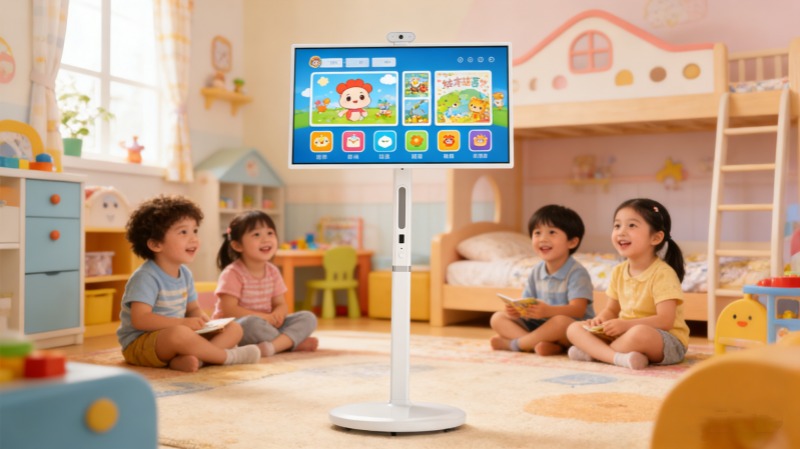
What Makes Portable Smart TVs Different for Kids?
Portable smart TVs are not just smaller televisions—they are interactive and flexible displays designed for modern living.
Compared to traditional TVs, they offer:
* mobility for safer placement
* touchscreen interaction for learning
* adjustable viewing angles
* multi-purpose use (learning + entertainment)
This makes them more adaptable to children’s daily routines.
Benefits of Portable Smart TVs in Kids’ Rooms
Educational Content and Learning Support
Portable smart TVs can support:
* online learning platforms
* educational videos
* language and STEM apps
When used correctly, screen devices can enhance learning and engagement, especially when parents participate or guide the experience.
Interactive Touchscreen Experience
Touchscreen functionality allows children to:
* interact directly with content
* explore educational apps
* develop digital familiarity
This creates a more active experience compared to passive TV watching.
Flexible and Safe Placement
Portable smart TVs can be positioned:
* at a safe viewing distance
* in shared spaces
* away from direct eye strain angles
Mobility allows parents to better control how and where the device is used.
Family-Friendly Entertainment
Portable smart TVs can support:
* shared movie time
* interactive games
* educational storytelling
Watching together improves engagement and allows parents to guide content.
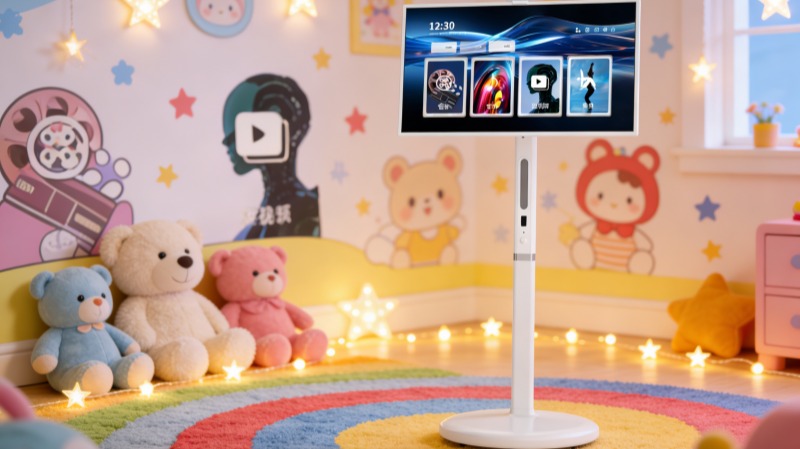
Important Safety Considerations
Screen Time Should Be Limited
Excessive screen time can affect:
* sleep quality
* attention and learning
* physical activity levels
Experts recommend limiting daily screen use and ensuring regular breaks.
Content Quality Matters Most
The biggest risk is not the screen—but the content.
Parents should:
* choose age-appropriate programs
* avoid fast-paced or violent content
* prioritize educational material
Inappropriate content can negatively affect attention and development.
Use Parental Controls
Modern smart TVs often include:
* content filtering
* app restrictions
* time limits
* password protection
These tools help ensure a safe viewing environment for children.
Avoid Passive Overuse
Background TV or constant screen exposure can reduce:
* creativity
* social interaction
* active play
Children benefit most when screen use is intentional and interactive.
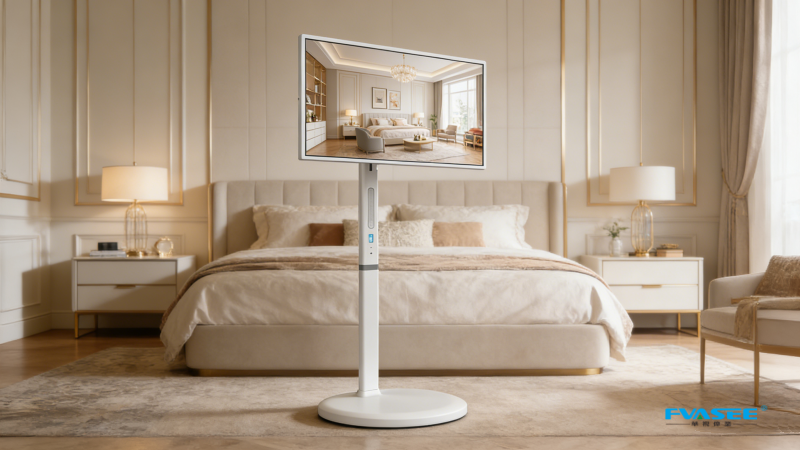
FVASEE Portable Smart TV for Kids’ Rooms
FVASEE portable smart displays are designed to support both learning and entertainment in a controlled environment.
Key Features
* Full HD touchscreen display
* Android smart system with educational apps
* built-in battery for flexible placement
* rolling stand for safe positioning
* adjustable height and viewing angles
* wireless screen casting
These features allow parents to create a balanced digital environment for children.
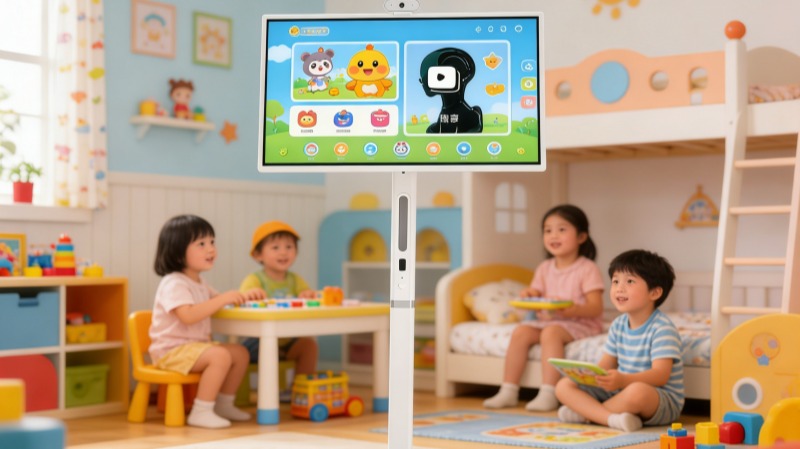
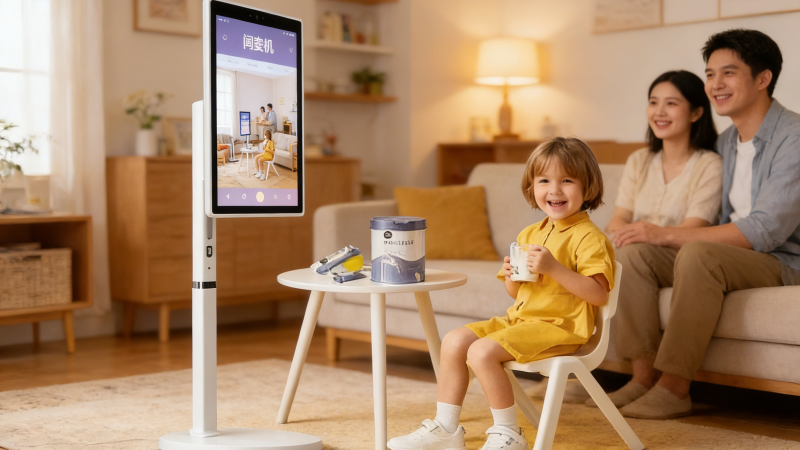
Real Use Scenarios
Learning Time
Vwatch educational videos
* attend online classes
* explore interactive apps
Family Interaction
* watch movies together
* read digital storybooks
* engage in guided activities
Creative Play
* drawing apps
* music and storytelling
* interactive learning games
Portable Smart TV vs Tablet for Kids
| Feature | Tablet | Portable Smart TV |
|---|---|---|
| Screen size | Small | Larger |
| Eye strain risk | Higher (close distance) | Lower (proper distance) |
| Parental control | Moderate | Stronger control |
| Interaction | Touch | Touchscreen |
| Use style | Personal | Shared / supervised |
A larger screen placed at a proper distance can be more comfortable for extended viewing.
FAQ
Is it okay to have a TV in a child’s bedroom?
It can be acceptable if usage is limited and supervised, with a focus on educational and age-appropriate content.
How much screen time is safe for kids?
Guidelines vary by age, but generally recommend limited daily use with breaks and active supervision.
Are smart TVs good for learning?
Yes, when used with educational content and parental involvement, they can support learning and development.
What features should a kids TV have?
Important features include parental controls, content filtering, screen time limits, and safe display settings.
Are portable smart TVs safe for children?
Yes, if used with parental controls, appropriate content, and limited screen time.
Can kids learn from smart TVs?
Yes. Educational apps and videos can support learning when used actively and with guidance.
Should kids have a TV in their room?
It depends on supervision and usage habits. Shared or controlled use is generally recommended.
How do I make screen time healthier?
Set limits, choose quality content, and engage with your child during screen use.