Interactive Whiteboard vs Projector for Classrooms | FVASEE
Interactive Whiteboards vs Projectors: Choosing the Best Classroom Display Technology
Transforming Teaching with FVASEE’s Smart Classroom Solutions
In today’s education landscape, choosing the right classroom display technology can make a significant difference in teaching efficiency, student engagement, and long-term maintenance. While traditional projectors have been a staple in classrooms for decades, interactive whiteboards and flat panel displays are rapidly becoming the more effective option for modern digital learning.
What Are Interactive Whiteboards and Classroom Projectors?
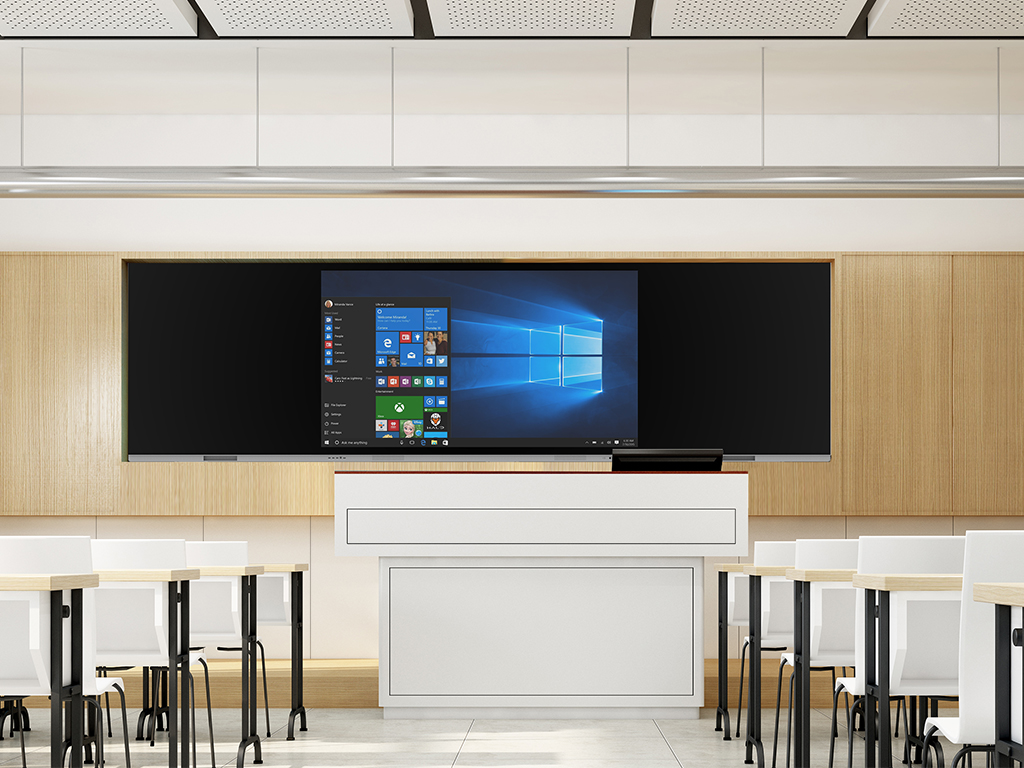
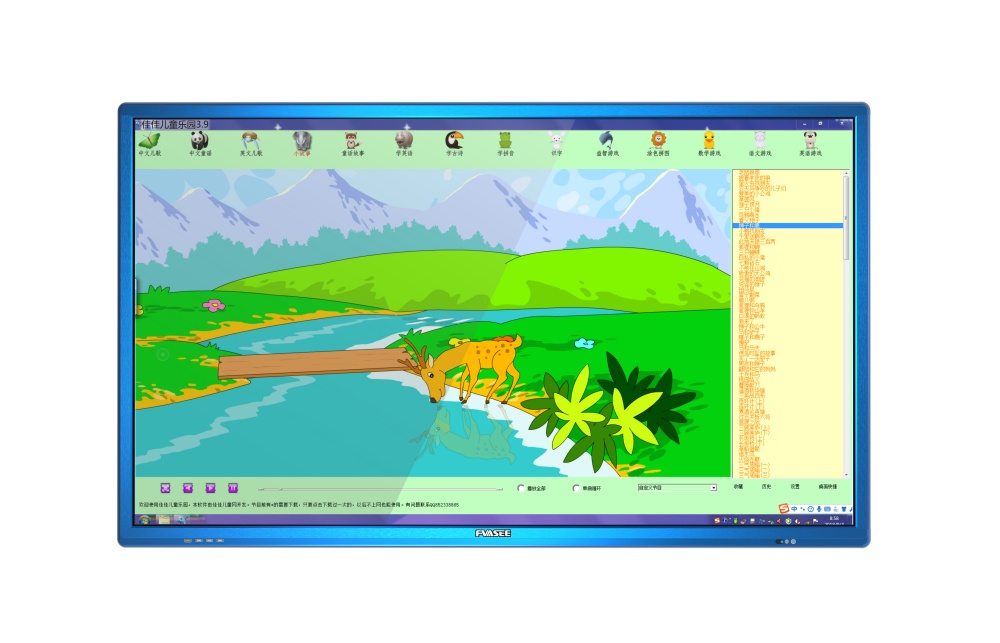
Interactive whiteboards are digital displays that respond to touch input, allowing teachers and students to write, draw, annotate, and interact directly with digital content displayed on a large screen. They often integrate with educational software, cloud services, and collaborative tools.
Classroom projectors project images from a connected device onto a traditional or dry-erase board. Interactivity usually requires additional sensors or compatible pens and depends on the projector setup rather than integrated touch display.
Key Differences: Interactivity, Visibility, and Ease of Use
⭐ Direct Touch Interaction
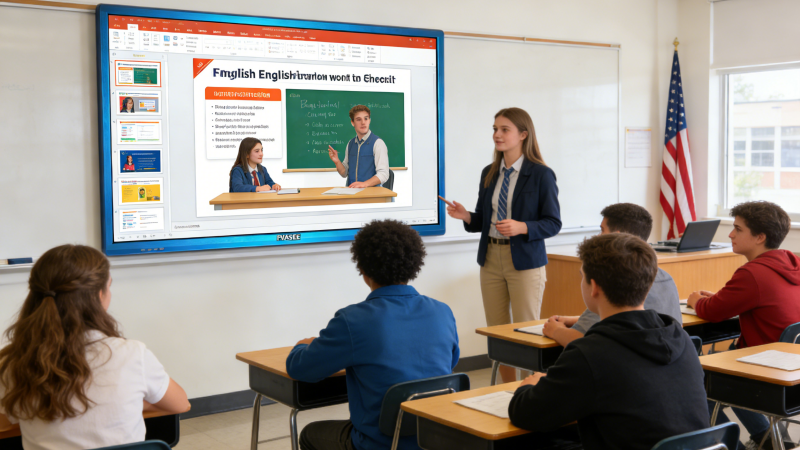
Interactive whiteboards let users touch the screen directly to manipulate content — whether it’s dragging objects, annotating worksheets, or navigating applications. This interaction fosters collaboration and keeps students actively engaged in lessons.
In contrast, projector-based systems typically need special pens or devices to register touch, which can be less intuitive and sometimes require frequent calibration.
⭐ Image Quality and Classroom Visibility
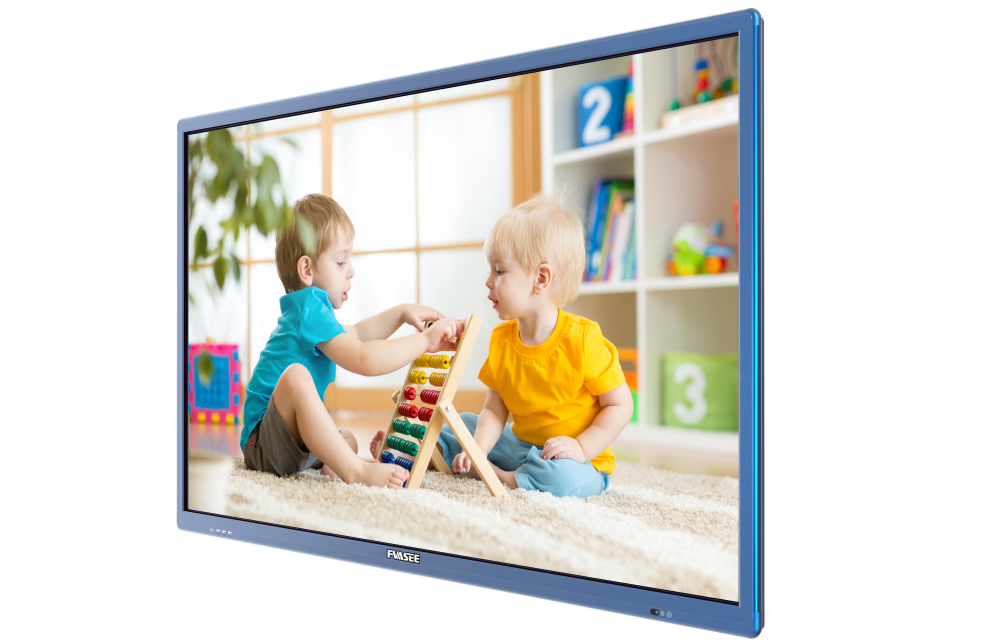
Flat panel interactive displays like those offered by FVASEE deliver crisp, bright visuals that remain clear even in well-lit classrooms. Projected images, on the other hand, can appear washed out under bright lighting unless the room is darkened — a hindrance during dynamic lessons.
⭐ Installation and Long-Term Reliability
Projectors often involve complex installation — including mountings and alignment — and their bulbs typically burn out over time, creating recurring replacement costs.
By comparison, interactive flat panels are easier to install without calibration, and because they lack bulbs to replace, they generally require less maintenance and offer longer useful life.
Why Interactive Whiteboards Are Winning in Modern Classrooms
Enhanced Engagement: Students can directly participate in lessons by interacting with touch displays.
Multimedia Integration: Teachers can embed videos, animations, and digital tools in real-time lessons.
Collaborative Learning: Multiple users can engage simultaneously, ideal for group discussions and problem-solving.
Centralized Digital Tools: When paired with software, notes and annotations can be saved and shared with students later.
These advantages make interactive boards especially valuable in blended, hybrid, or tech-enhanced learning environments.
FVASEE’s Interactive Display Advantage
As classroom needs evolve, FVASEE’s interactive flat panel features bring touch responsiveness, integrated educational tools, and collaborative workflows to life. Whether for K-12, higher education, or training environments, FVASEE’s solutions eliminate many limitations found with projector-based teaching setups.
By combining high-resolution panels, intuitive touch control, and rich connectivity, FVASEE helps both teachers and students enjoy a versatile and reliable learning platform that supports diverse pedagogical approaches.
Conclusion: Which Technology Is Better?
For most modern classrooms seeking higher engagement, lower maintenance, and superior visual clarity, interactive whiteboards and flat panel displays offer advantages that projectors struggle to match. While projectors may still fit tight budgets and large-screen needs, interactive displays — especially those from FVASEE — provide greater interactivity, long-term value, and adaptability for digital learning.
To build inclusive, future-ready classrooms, many schools are now transitioning away from projectors and embracing interactive display technology as the new standard in education.