LED Visualization Systems for Urban Emergency Command Centers | FVASEE
Advanced Visualization Platforms for Emergency Response Operations
In an era where urban environments face increasing complexity — from natural disasters to public safety incidents and infrastructure disruptions — the ability to monitor, coordinate, and respond swiftly is paramount. Emergency response centers serve as the nerve center of crisis management, bringing together multi-agency data and operational teams to make real-time decisions. The effectiveness of these centers hinges not only on organizational processes but also on the display technology that delivers critical information with clarity and speed.
Modern LED visualization systems are now widely adopted in emergency operations facilities for their ability to present vast amounts of high-resolution data simultaneously, support around-the-clock use, and facilitate rapid comprehension of unfolding events. FVASEE’s LED display solutions provide these capabilities, giving response teams the tools they need to see the big picture and act decisively.
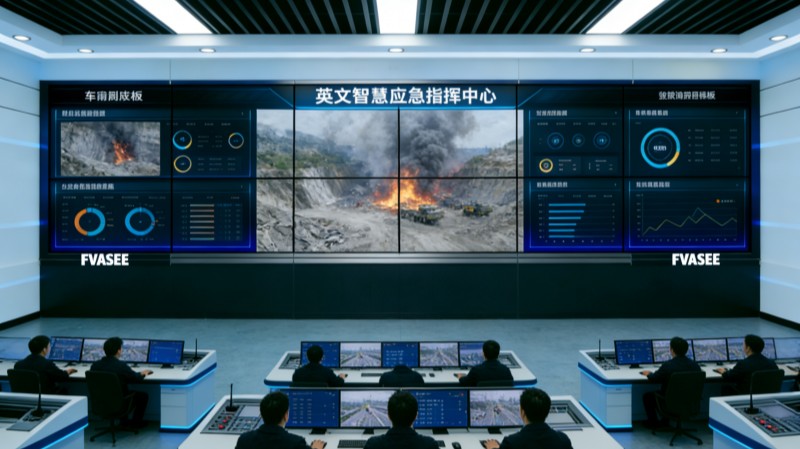
The Role of Visualization in Emergency Operations
Emergency response environments demand precision and reliability. Command teams must synthesize inputs from diverse sources — surveillance feeds, sensor networks, weather systems, traffic controls, and field reports — and convert them into actionable insights. Visualization platforms serve several critical functions:
Comprehensive Real-Time Monitoring
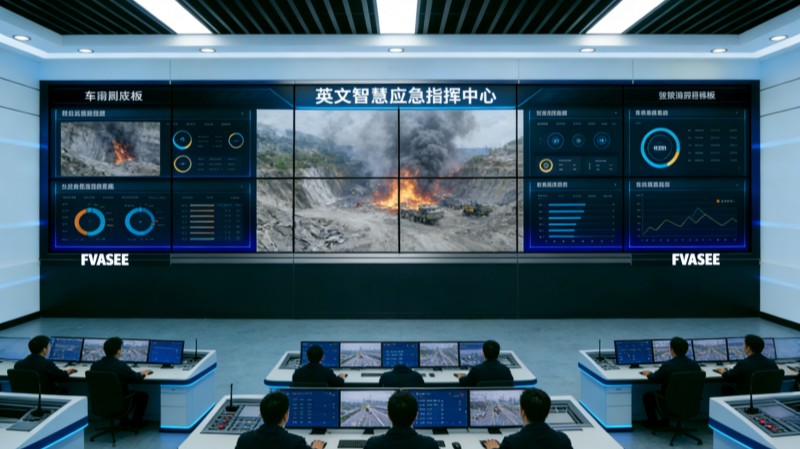
Large LED walls display synchronized feeds across multiple data streams, enabling operators to maintain awareness of evolving conditions at a glance.
Data Consolidation for Decision Support
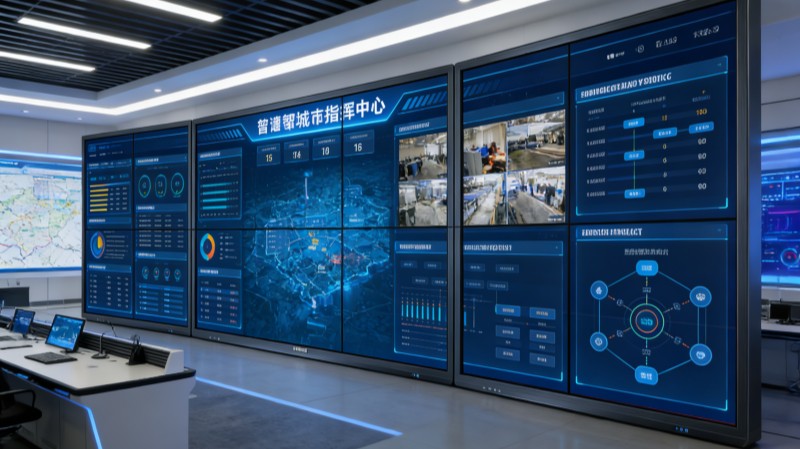
By integrating disparate systems into unified visual dashboards, teams can spot patterns, assess risks, and prioritize responses based on a holistic operational view.
Incident Prioritization and Resource Tracking
Visual platforms allow responders to monitor incident locations, track deployments, and adjust resource allocations in real time based on severity and proximity.
Collaborative Coordination Across Units
In multi-agency scenarios, real-time visuals help diverse teams — including public safety, utilities, and field responders — stay aligned and coordinated.
These capabilities ensure that emergency managers are not overwhelmed by fragmented data but can instead focus their attention on directing timely and effective action.
Why LED Visualization Technology Excels in Control Rooms
LED display platforms are increasingly chosen for emergency operations centers due to a combination of features that align with the demands of high-stakes environments:
Large Format and High Brightness
LED walls offer scalability, allowing multiple screens to be tiled into expansive visual canvases that remain clear even in bright ambient lighting.
High Resolution and Color Accuracy
Detailed maps, live video, and complex dashboards benefit from LED’s ability to render sharp, color-accurate visuals that reduce cognitive load and improve situational understanding.
Continuous Reliability
Professional LED systems are engineered for 24/7 operation, maintaining performance stability without flicker, lag, or overheating — essential in around-the-clock emergency centers.
Versatile Integration with Data Sources
LED platforms can interface with real-time feeds from CCTV, geographic information systems (GIS), sensor networks, and communication platforms, bringing heterogeneous data into a coherent visual environment.
These technical strengths make LED systems well suited to the operational tempo and informational intensity that emergency response teams encounter daily.
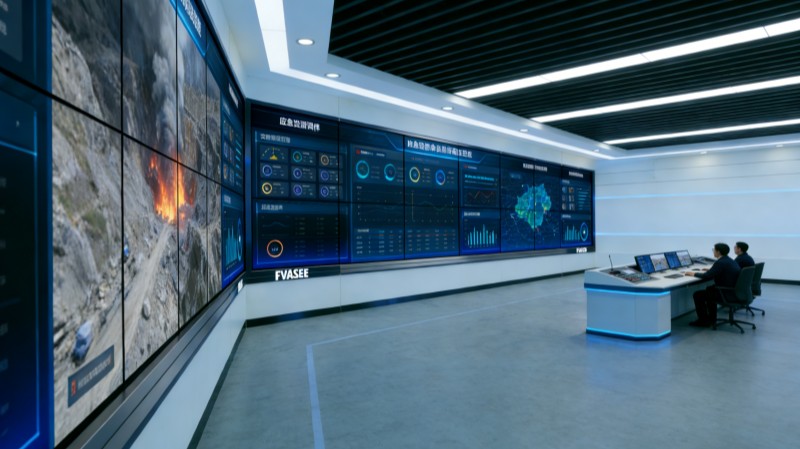
Application Scenarios in Emergency Response
Multi-Feed Monitoring Walls
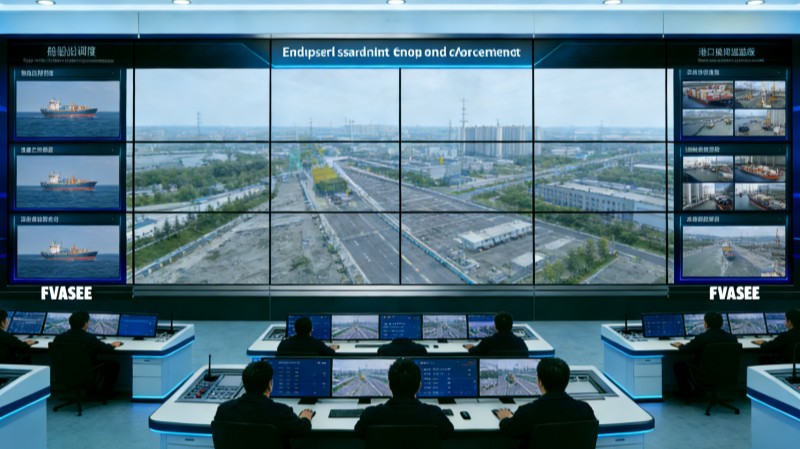
Large LED walls can display multiple live feeds simultaneously — from CCTV cameras to weather radar imagery — allowing operators to compare and correlate data across contexts.
GIS and Mapping Dashboards
Visualizing incident locations, evacuation zones, or hazard areas on interactive maps supports rapid threat assessment and route planning.
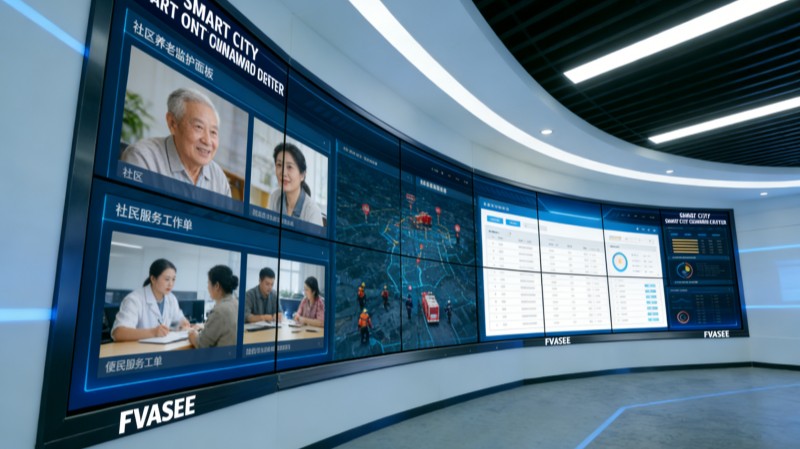
Cross-Department Briefing Displays
Integrated screens facilitate collaborative briefings, where public safety, medical, and utility officials can review shared data and align response strategies.
Field Data Visualization
Data streamed from field units or IoT sensors can be aggregated on centralized displays, providing real-time feedback to command staff and enhancing situational awareness across jurisdictions.
These applications empower emergency centers to manage both routine operational data and crisis-level events with confidence and precision.
Benefits for Urban Safety and Operational Efficiency
Timely Decision-Making
When critical data is visualized coherently and in real time, response teams can make informed decisions faster and with greater confidence.
Improved Interagency Coordination
Shared visual environments help break silos between departments — enabling unified responses that leverage the strengths of multiple agencies.
Enhanced Public Safety Outcomes
Clear, actionable insights support rapid deployment of emergency services, which can reduce risk and improve outcomes during incidents.
Reduced Cognitive Load
Organized dashboards and visual prioritization reduce the mental effort needed to process complex information, helping operators focus on critical tasks rather than data management.
These benefits contribute to more resilient and responsive urban management systems — crucial in protecting lives, infrastructure, and public trust.
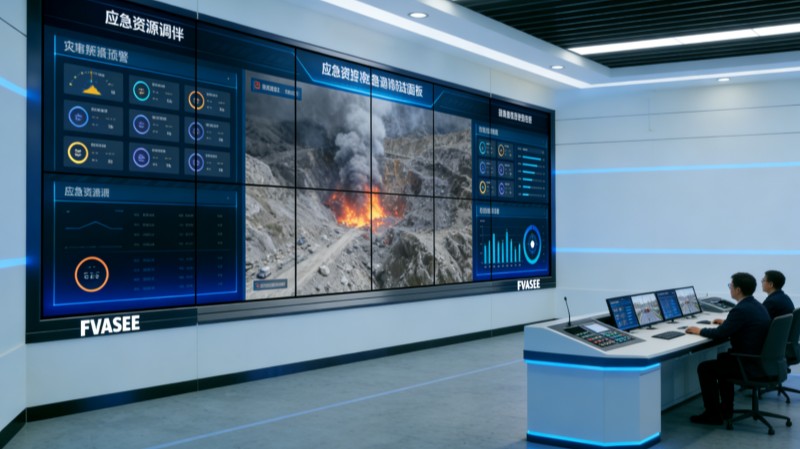
Why FVASEE’s LED Solutions Deliver Value
FVASEE’s LED visualization platforms are designed with the demands of emergency operation centers in mind:
Scalable Display Architecture: From single large screens to multi-panel walls, configurations support varied room sizes and operational needs.
High-Performance Visual Fidelity: Bright, detailed images ensure clarity even in large spaces or under varied lighting conditions.
Robust Connectivity: Support for diverse data sources and real-time feeds allows seamless integration with existing operational systems.
Reliable Continuous Use: Systems are built for durability and stability, ensuring performance under prolonged usage typical in emergency centers.
These features collectively help organizations establish control environments that are both technologically capable and operationally resilient.
Emergency response operations demand technologies that can keep pace with dynamic events and support decisive action. Advanced LED visualization systems offer unmatched performance for presenting complex datasets, coordinating multi-agency efforts, and enhancing real-time situational awareness. By adopting FVASEE’s LED display solutions, urban management teams gain a powerful ally in delivering safer, more efficient, and more coordinated emergency responses.