Dynamic Display Systems for Academic Libraries and Campus Learning | FVASEE
Digital Display Systems Transforming Campus Library Environments
Libraries have long been the intellectual heart of educational institutions, providing spaces for research, collaboration, and self-directed learning. In the modern academic landscape, libraries are evolving into dynamic hubs that support digital literacy, interdisciplinary projects, and immersive learning experiences. As student and faculty needs change, traditional static signage and standalone monitors are no longer sufficient to deliver timely information or enhance engagement.
Advanced digital display solutions offer libraries new ways to present content, share updates, guide visitors, and support collaborative study. FVASEE’s platforms are purpose-built for library environments, giving campuses the flexibility to communicate visually, inspire learners, and make information access intuitive across large communal spaces.
Why Digital Displays Are Essential in Academic Libraries
Academic libraries serve multiple functions — as quiet study areas, research centers, event venues, and digital resource hubs. Display technology helps optimize these functions by enabling:
Real-Time Information Sharing
Dynamic screens can broadcast announcements, upcoming events, room reservations, resource availability, and schedule changes instantly, providing timely updates to students and faculty.
Wayfinding and Space Utilization
Large campuses often feature expansive library layouts with multiple zones. Digitally guided maps and directional signage help users find study pods, media labs, group rooms, or special collections more easily.
Engaging Content Presentation
Libraries can showcase lectures, workshop highlights, academic showcases, and book spotlights through multimedia content, creating an environment that extends beyond traditional stacks.
Support for Collaborative Learning
Displays provide visual anchors for group study sessions, digital workshops, and interactive learning activities, helping students work together more effectively.
These attributes help libraries transition from quiet repositories of books to vibrant learning environments where information flows seamlessly and interaction is encouraged.
Key Library Display System Capabilities
Centralized Display Management
Campus library networks can be equipped with multiple screens that are managed from a single dashboard, enabling administrators to schedule content, segment audiences, and tailor messages by location or user group.
Real-Time Updates and Alerts
Whether it’s network maintenance alerts, upcoming panel discussions, or study room openings, real-time updates on screen help students stay informed without constant manual communication.
Collaborative and Interactive Displays
Touch-enabled screens and interactive walls invite users to explore digital archives, interact with research tools, or participate in collaborative projects, extending learning beyond static content.
Integration With Campus Systems
Display systems can interface with reservation tools, learning management systems, and academic calendars, ensuring that screens reflect the most current institutional data without manual entry.
These features allow campuses to leverage visual communication to support learning, research, and academic life in meaningful ways.
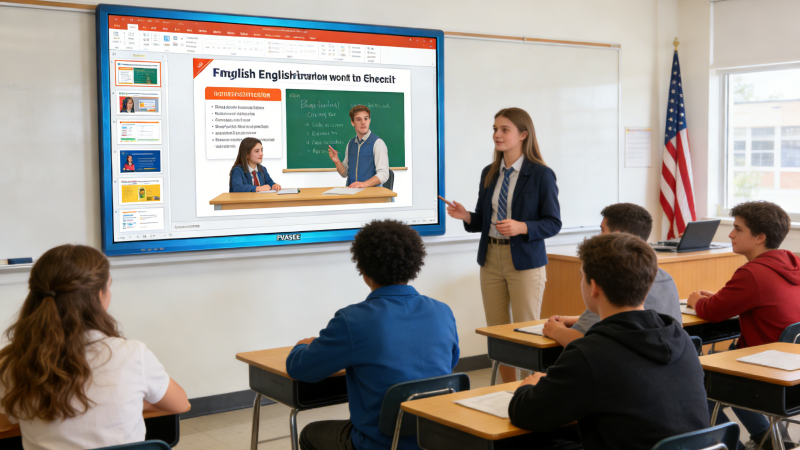
Typical Use Cases in Library Learning Environments
Central Information Hubs
Displays located near main entrances or central information desks provide students and faculty with quick access to announcements, orientation guides, and event schedules.
Zone-Specific Signage
Screens positioned in different areas such as quiet study zones, group rooms, or media labs can show tailored content relevant to that space, improving navigation and space usage.
Resource Highlights and Academic Spotlights
Libraries can showcase new collections, research achievements, or featured authors with dynamic content that sparks interest and encourages exploration.
Workshop and Event Promotion
Displays serve as effective channels to promote workshops, seminars, digital literacy sessions, and community events, increasing participation and community engagement.
These use cases highlight how digital displays enhance navigation, communication, and learning within library environments.
Benefits for Campus Life
Increased Engagement
Students interact more with visual content than static flyers or bulletin boards. Digital displays capture attention and reinforce institutional messaging.
Improved Operational Efficiency
Centralized content scheduling reduces the need for printed posters, manual updates, and physical poster replacements — saving time for administrators.
Enhanced Learning Support
Displays act as extensions of the learning environment, bridging physical and digital resources that support inquiry, discovery, and academic success.
Stronger Community Feeling
When students see relevant content — event highlights, achievements, shared resources — the campus experience becomes more interconnected and collaborative.
Together, these benefits contribute to a more vibrant, responsive, and supportive educational ecosystem.
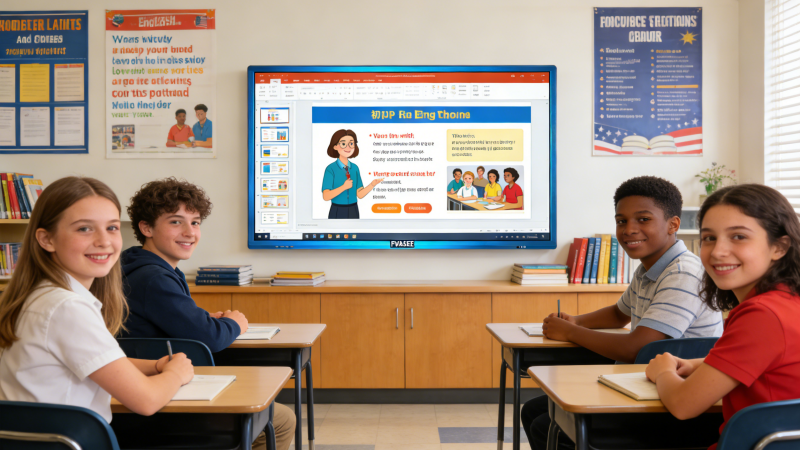
Why FVASEE’s Display Platforms Fit Educational Library Needs
FVASEE’s display solutions are tailored to the demands of library learning spaces:
High-Definition Visual Quality: Crisp images and clear text ensure readability from any distance.
Scalable Multi-Screen Support: From standalone touch panels to synchronized arrays across large areas.
User-Friendly Content Control: Non-technical staff can manage and update displays with ease.
Reliable, Long-Term Performance: Built for daily use in busy library environments with stable performance.
These capabilities help educational institutions combine technology, visual communication, and academic support into one cohesive experience.
As libraries evolve beyond traditional models, display technology plays a central role in enhancing communication, engagement, and navigation across campus learning spaces. Digital display systems provide a versatile platform for information delivery, visitor guidance, and collaborative activities — helping institutions support student success, academic discovery, and a culture of continuous learning.
FVASEE’s library display solutions offer the visual infrastructure that modern academic environments need — making it easier to connect, inform, and inspire every learner.